
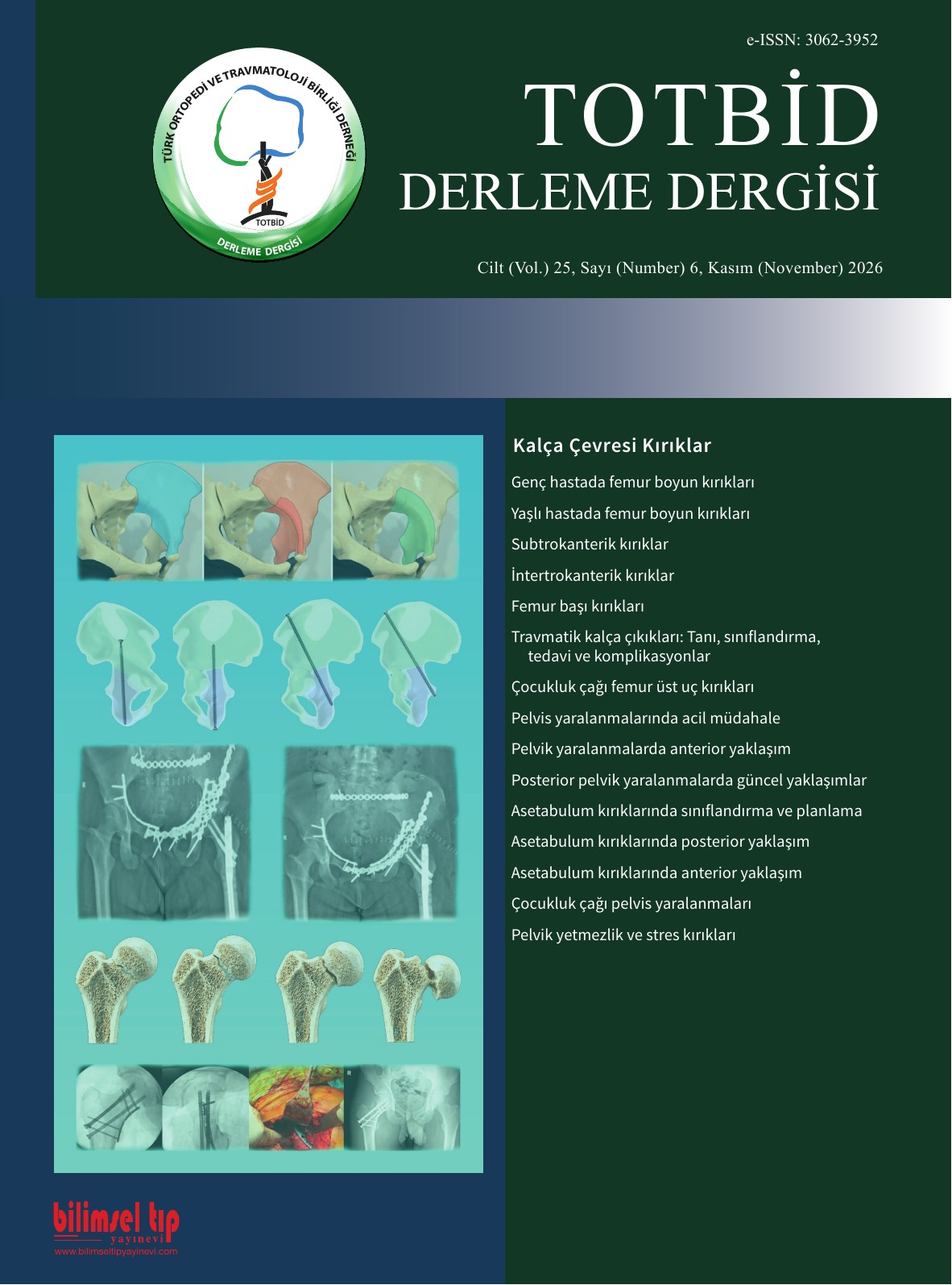
Posterior pelvic ring injuries play a major role in pelvic stability and remain one of the most challenging components of pelvic trauma. In recent years, improved understanding of dynamic instability and increasing recognition of fragility fractures in elderly patients have considerably changed the management of these injuries. Several studies have shown that some lateral compression injuries initially considered stable may demonstrate instability during dynamic assessment, while many elderly patients presenting with pubic ramus fractures may also have associated posterior ring involvement. Current management therefore relies not only on static radiographic findings, but also on the mechanical behavior of the injury and the patient’s functional status. Treatment planning should include assessment of posterior instability, bone quality, mobilization capacity, and associated deformity. This review summarizes current concepts in posterior pelvic ring injuries, including biomechanical considerations, classification systems, recognition of posterior instability, fragility fractures in elderly patients, surgical decision-making, and contemporary fixation strategies. The biomechanical rationale, advantages, limitations, and clinical indications of percutaneous sacroiliac screws, transiliac-transsacral screws, and lumbopelvic fixation are also discussed.