
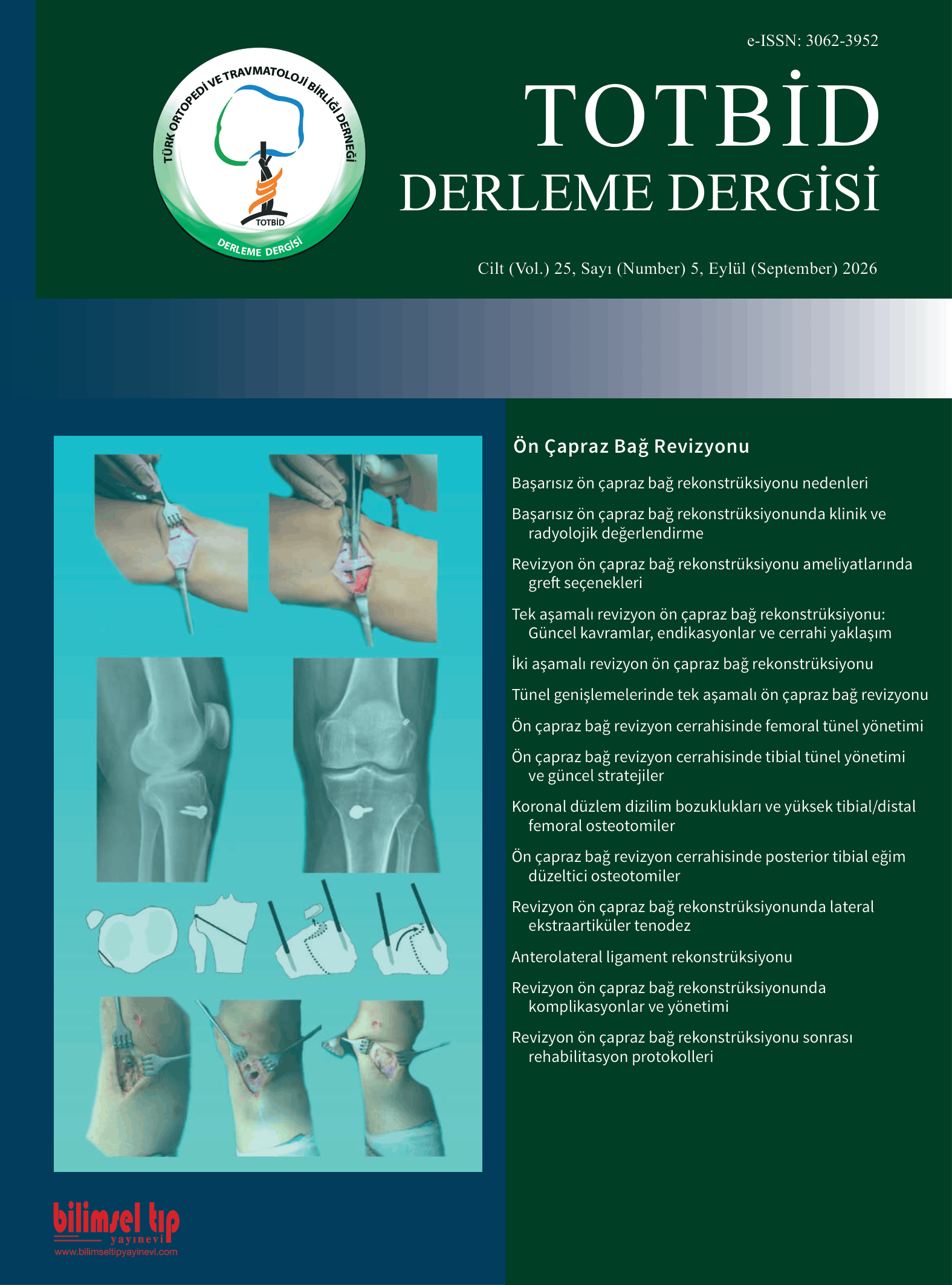
Failure following anterior cruciate ligament (ACL) reconstruction is a multifactorial problem influenced by surgical technique, biological healing, rehabilitation, and patient-specific anatomical characteristics. Increased posterior tibial slope (PTS) has emerged as one of the most important anatomical risk factors, as it increases anterior tibial translation and graft loading, thereby predisposing patients to recurrent graft failure, particularly after revision ACL reconstruction. In recent years, slope-correcting osteotomies have gained increasing attention as an adjunctive procedure to restore sagittal plane biomechanics in patients with excessive PTS undergoing revision ACL reconstruction. This review reviews the biomechanical significance of PTS, current indications for slope-correcting osteotomy, radiographic assessment methods, and principles of preoperative planning. Surgical techniques, including supratubercle, transtubercle, and infratubercle osteotomies, are described together with graft selection, osteotomy fixation strategies, and associated procedures. Postoperative rehabilitation principles and return-to-sport considerations are also summarized. Current clinical evidence suggests that slopecorrecting osteotomy effectively reduces PTS and anterior tibial translation, improves knee stability, enhances patient-reported functional outcomes, and may decrease the risk of recurrent graft failure in appropriately selected patients with excessive PTS undergoing revision ACL reconstruction. Nevertheless, the available evidence is largely derived from retrospective case series with limited sample sizes. Further prospective studies with larger patient cohorts and long-term follow-up are required to better define surgical indications and optimize treatment algorithms.